Space Objects
Explore cosmic wonders from our stellar neighborhood to the far reaches of the universe. Moons, stars, black holes, and galaxies await your discovery.
🪐Solar System(6)
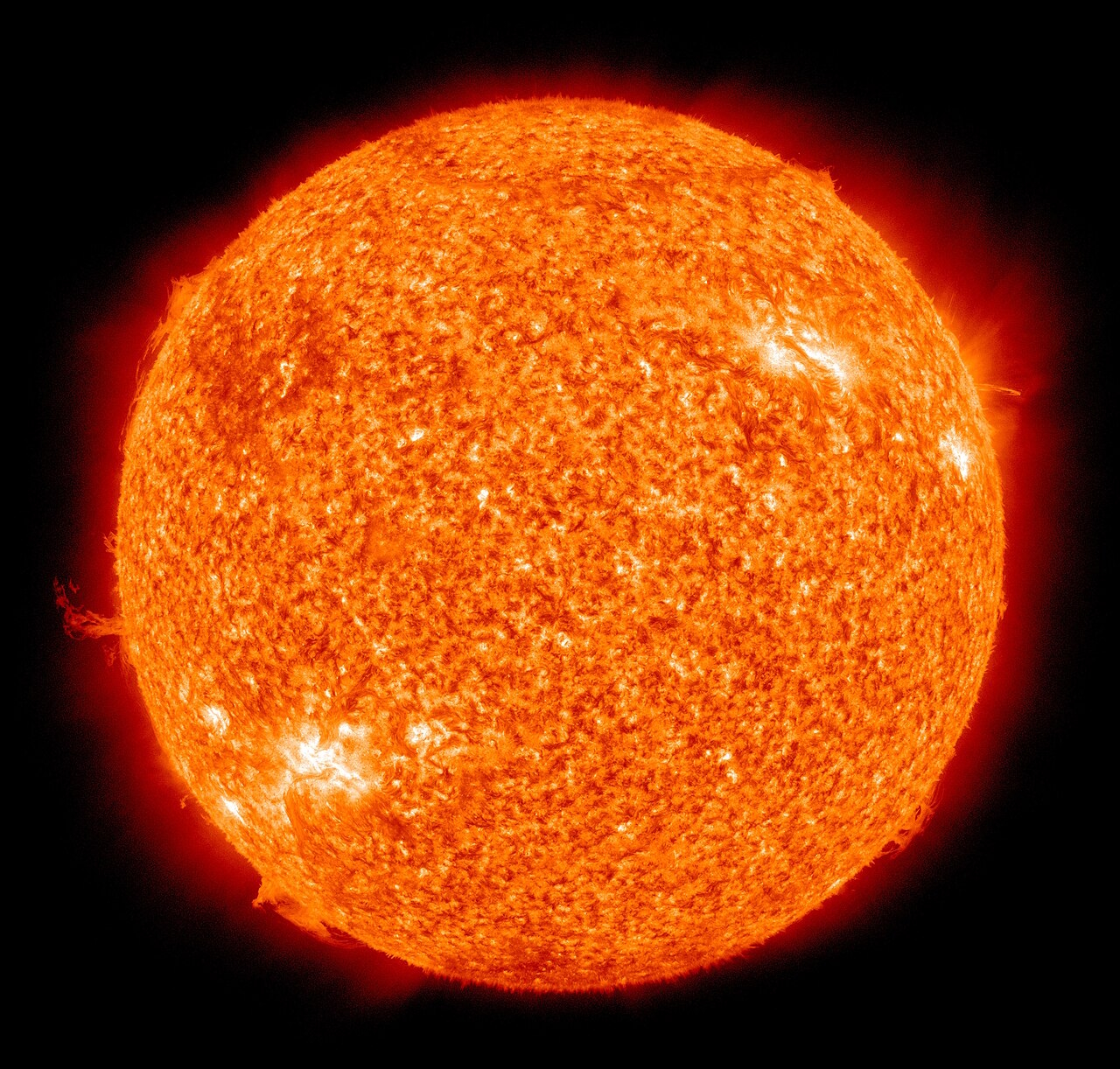
The Sun
Our closest star and the center of our solar system. The Sun is a nearly perfect sphere of hot plasma that provides the energy necessary for life on Earth. It contains 99.86% of the total mass of the Solar System.
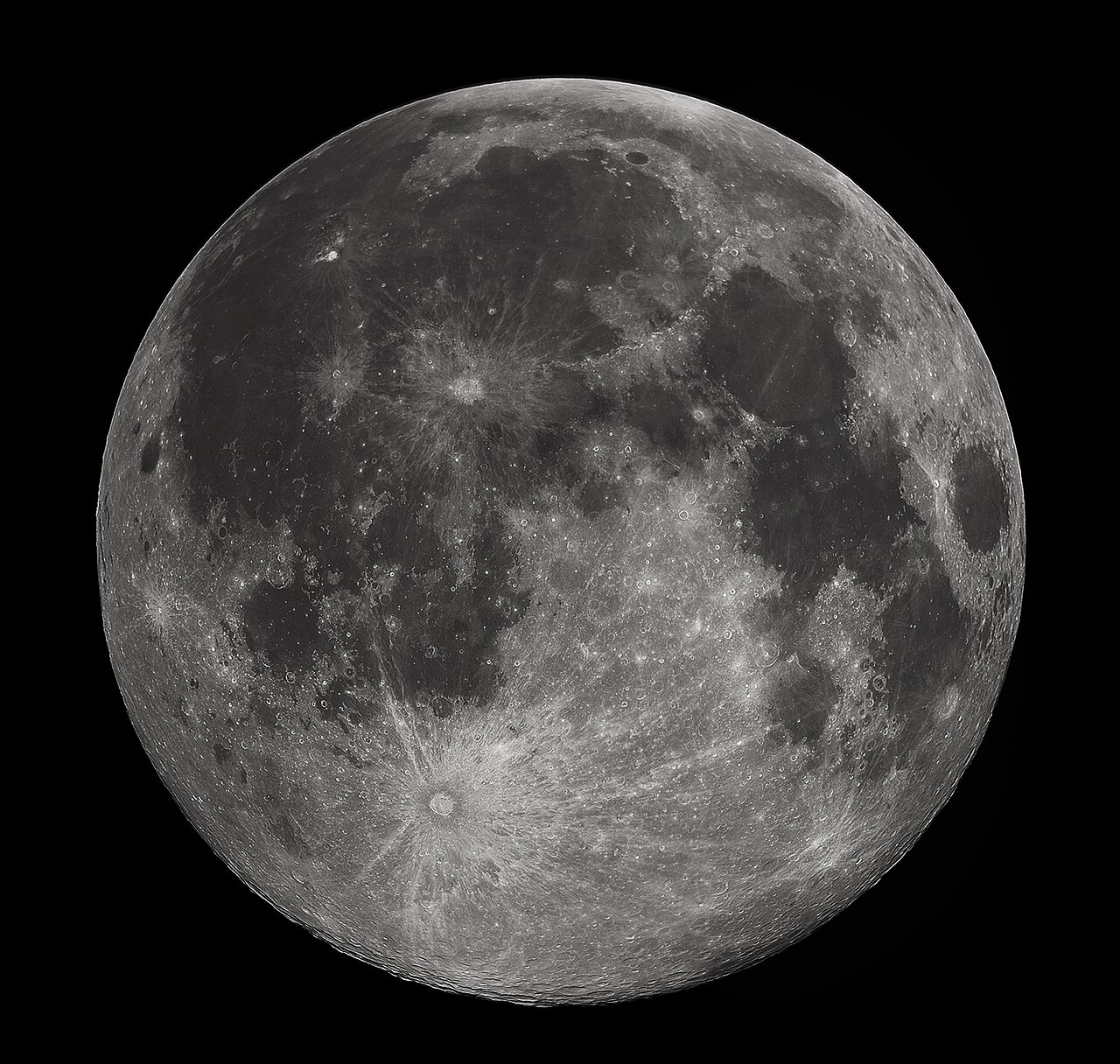
The Moon
Earth's only natural satellite and the fifth-largest moon in the Solar System. The Moon is the brightest object in our night sky and has been a source of wonder throughout human history.
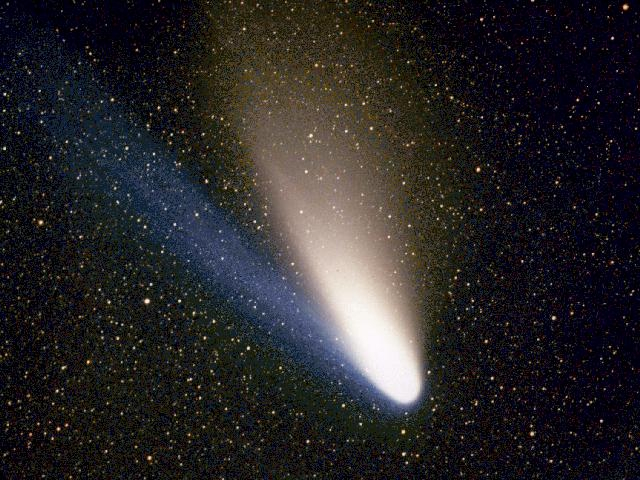
Comets
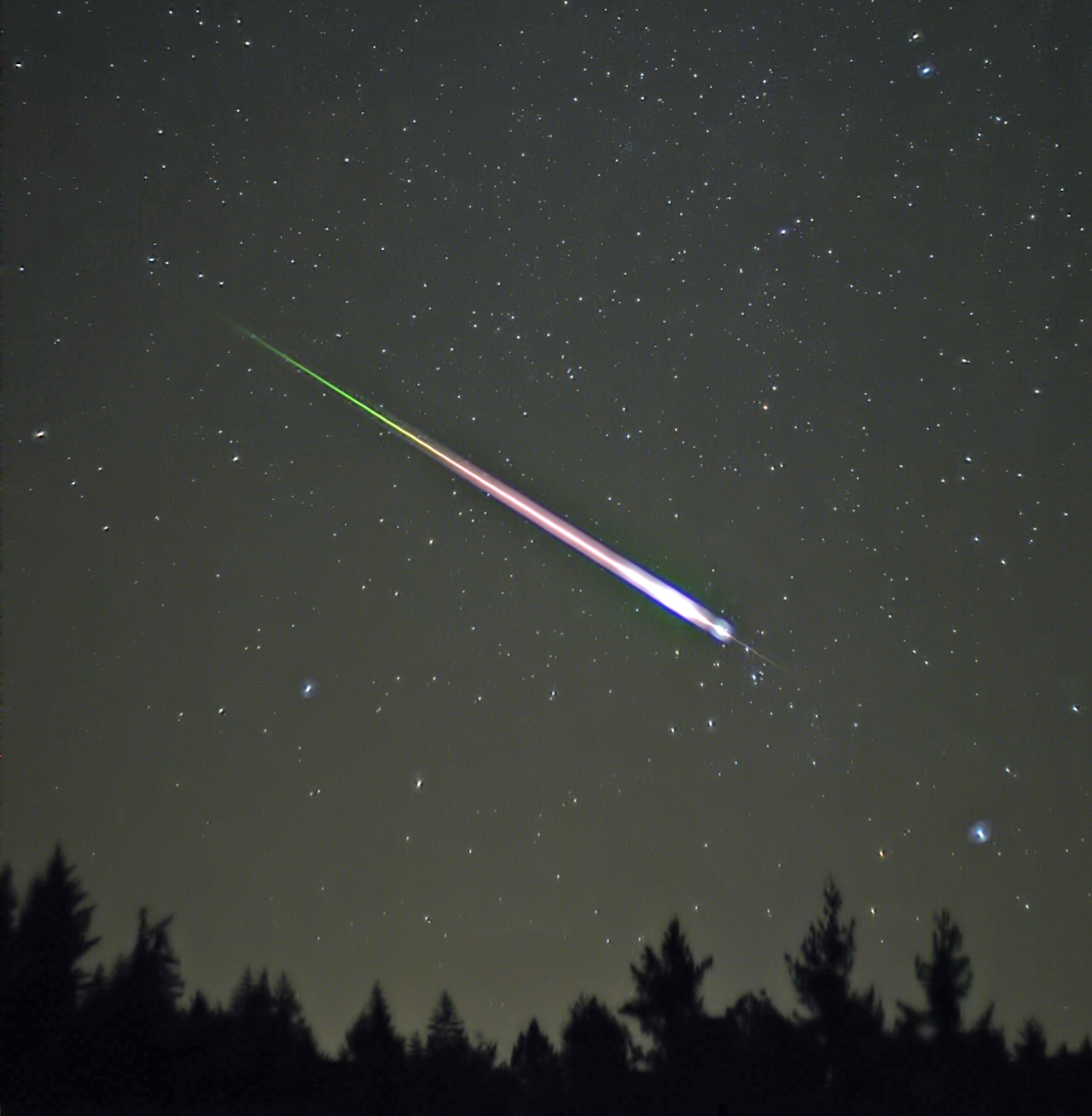
Cosmic snowballs of frozen gases, rock, and dust that orbit the Sun. When close to the Sun, they heat up and release gases, forming a glowing head (coma) and spectacular tails that can stretch millions of kilometers.
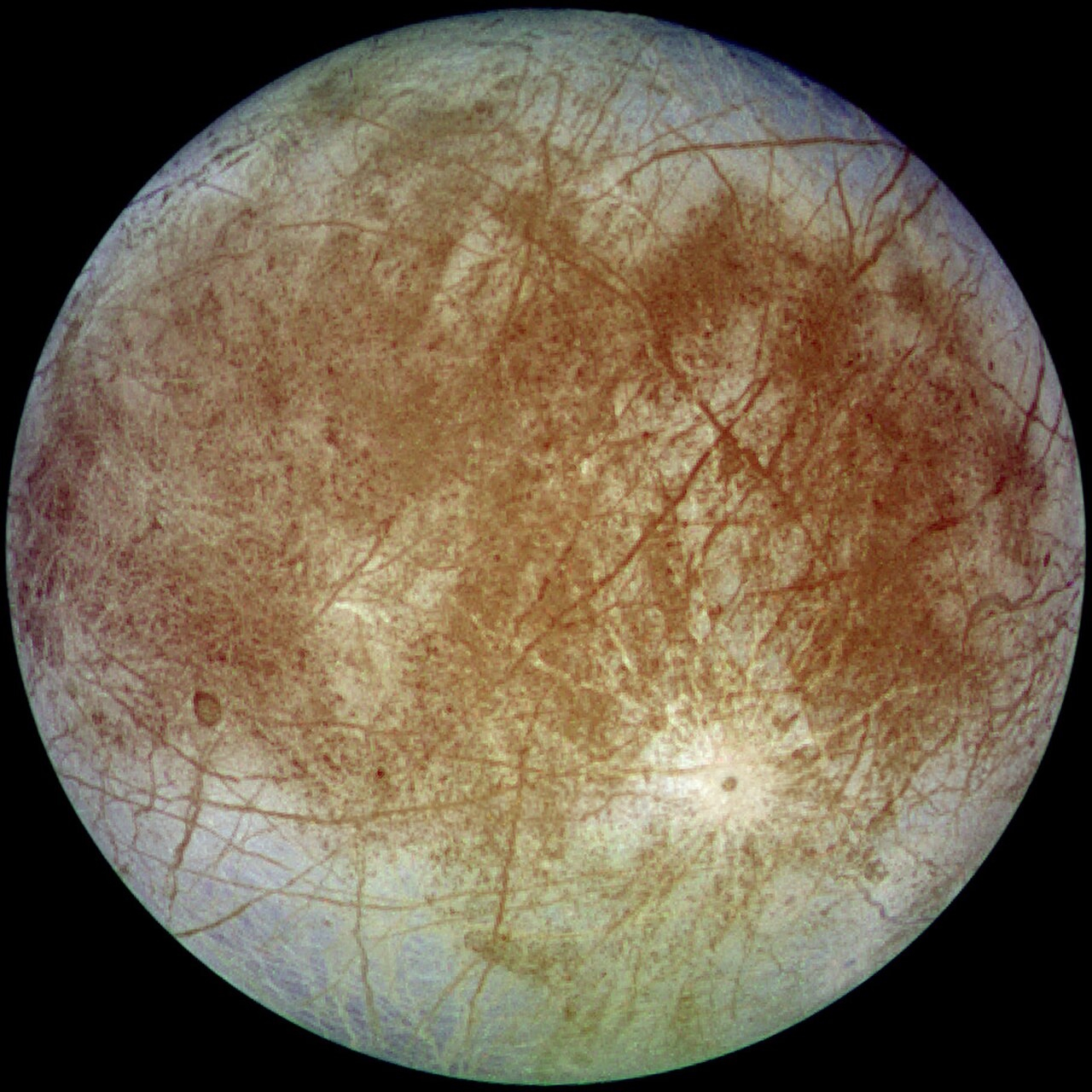
Europa
One of Jupiter's largest moons and one of the most promising places to search for extraterrestrial life. Europa has a subsurface ocean beneath its icy crust that may contain more than twice the water of Earth's oceans.
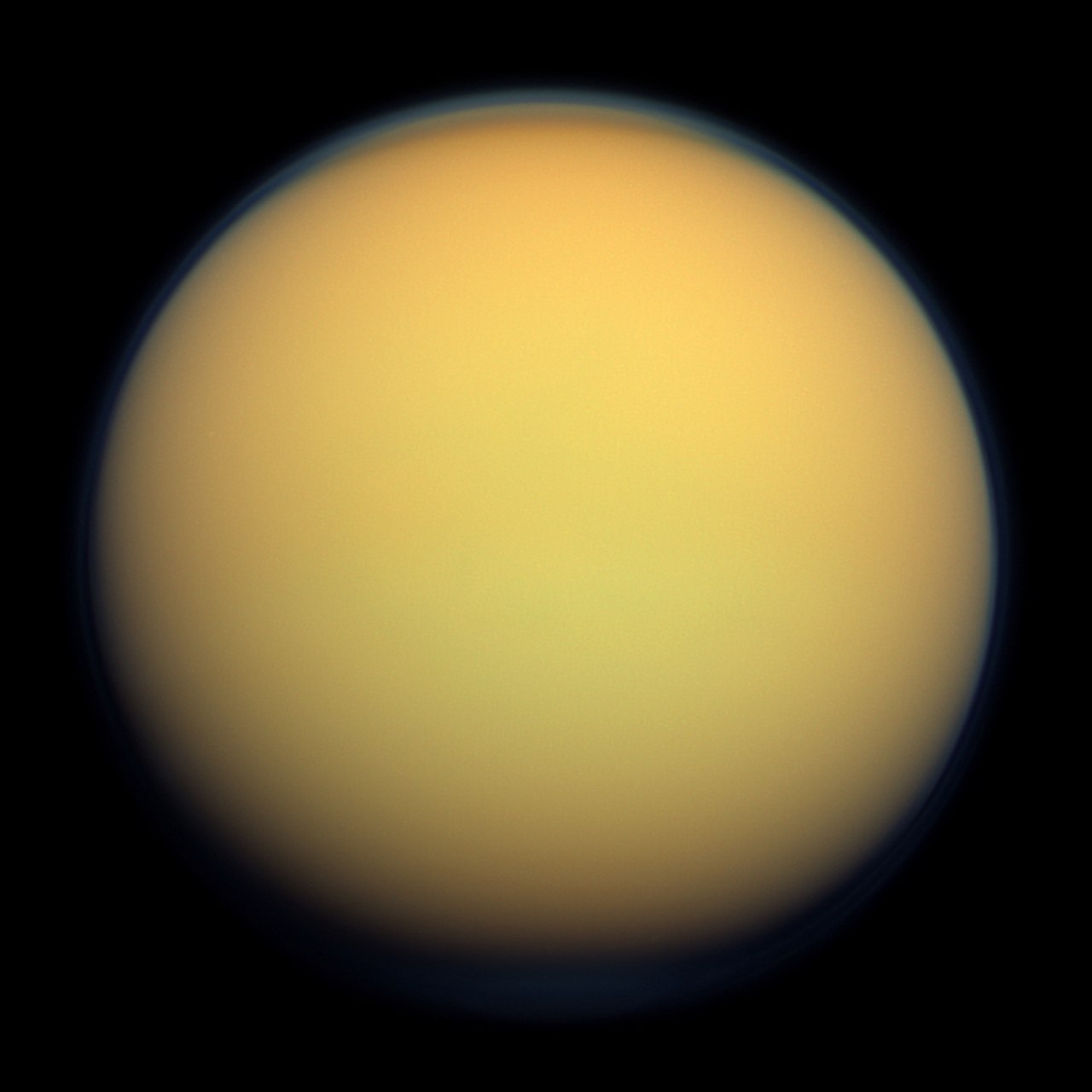
Titan
Saturn's largest moon and the only moon in our solar system with a dense atmosphere. Titan has lakes and seas of liquid methane and ethane, making it the only other place besides Earth with stable surface liquids.
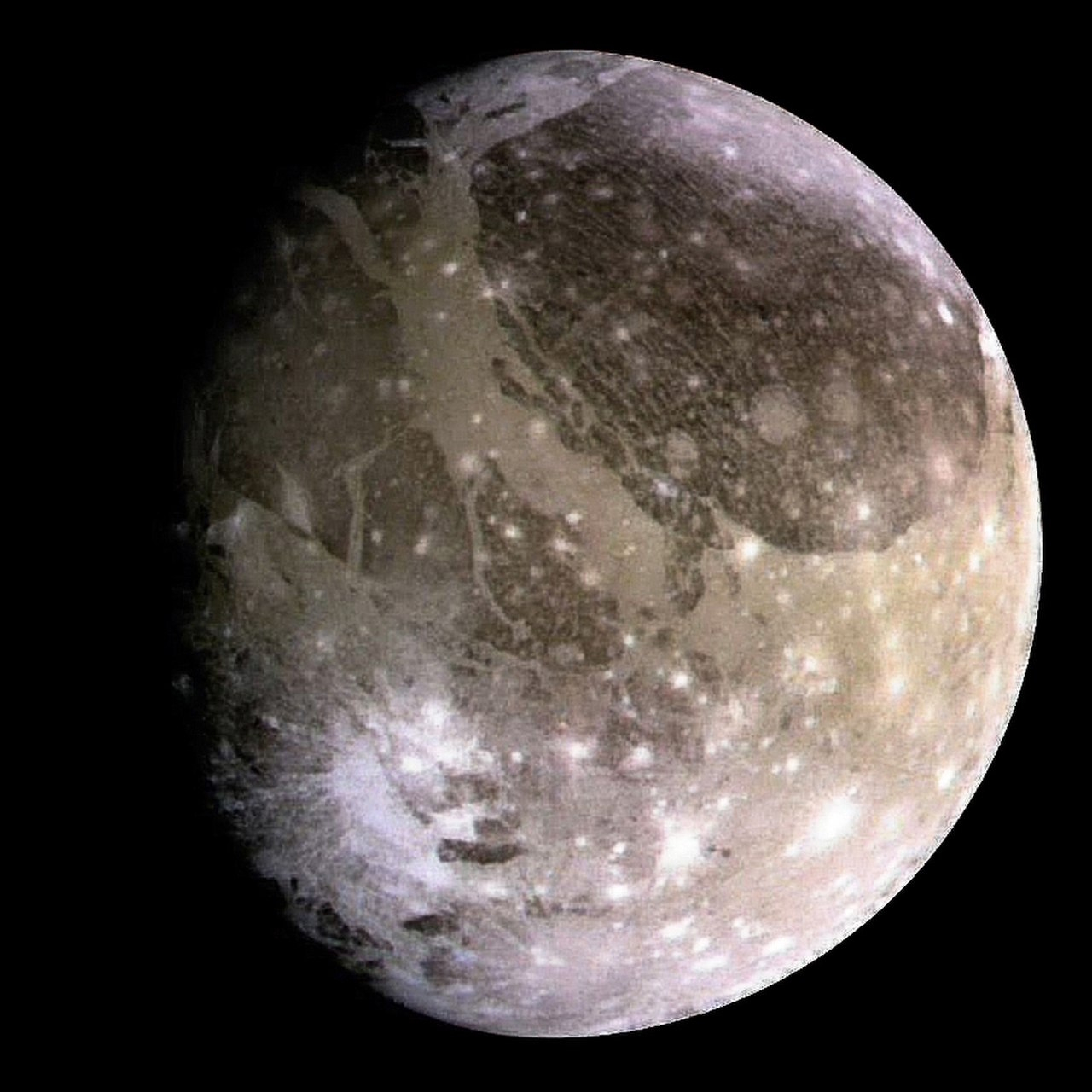
Ganymede
The largest moon in our solar system, even bigger than Mercury. Ganymede is the only moon known to have its own magnetic field and may harbor an underground ocean.
🌌Deep Space(3)
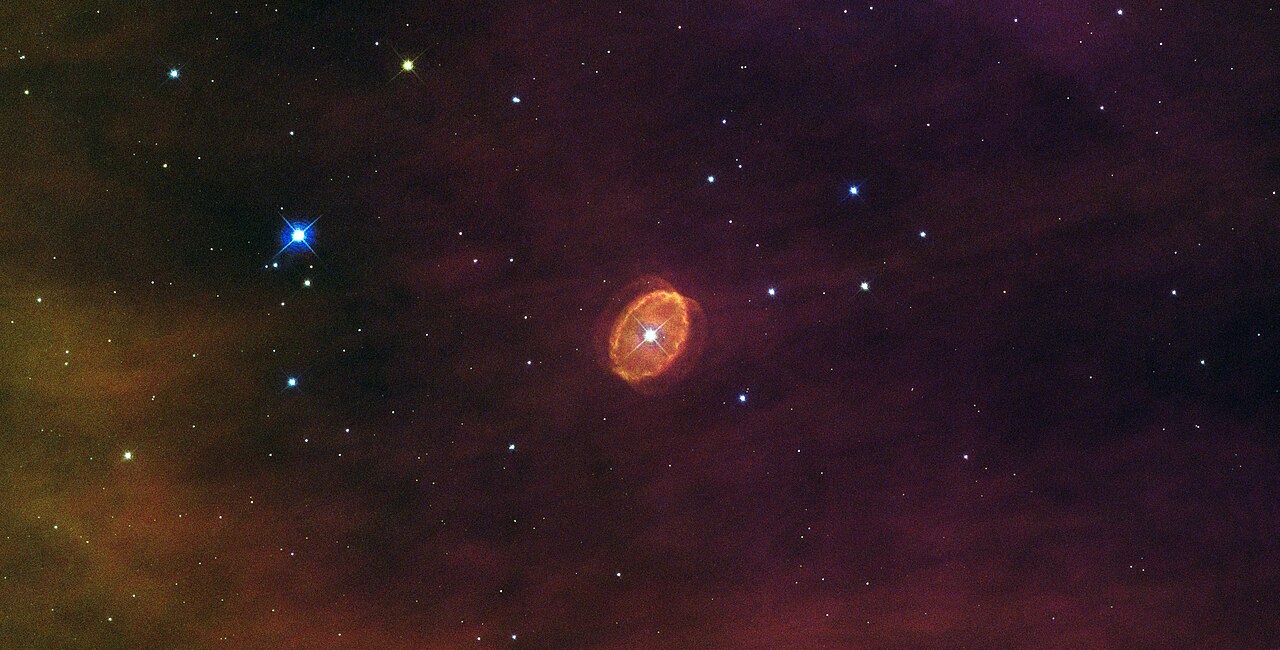
Supernova
The explosive death of a massive star, one of the most energetic events in the universe. A supernova can briefly outshine an entire galaxy and release more energy than our Sun will emit in its entire lifetime.
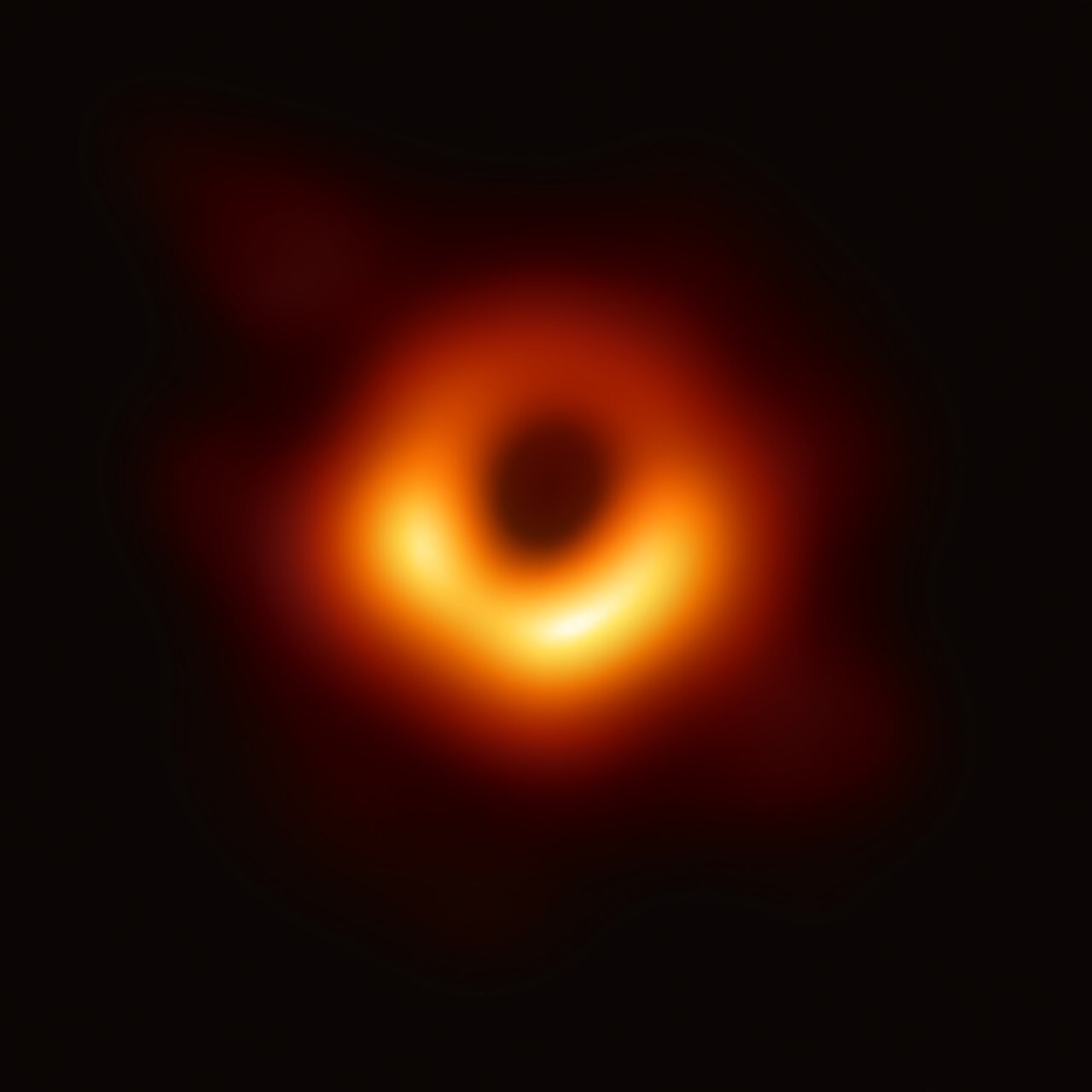
Black Hole
A region of spacetime where gravity is so strong that nothing, not even light, can escape once it crosses the event horizon. Black holes are formed when massive stars collapse at the end of their lives.
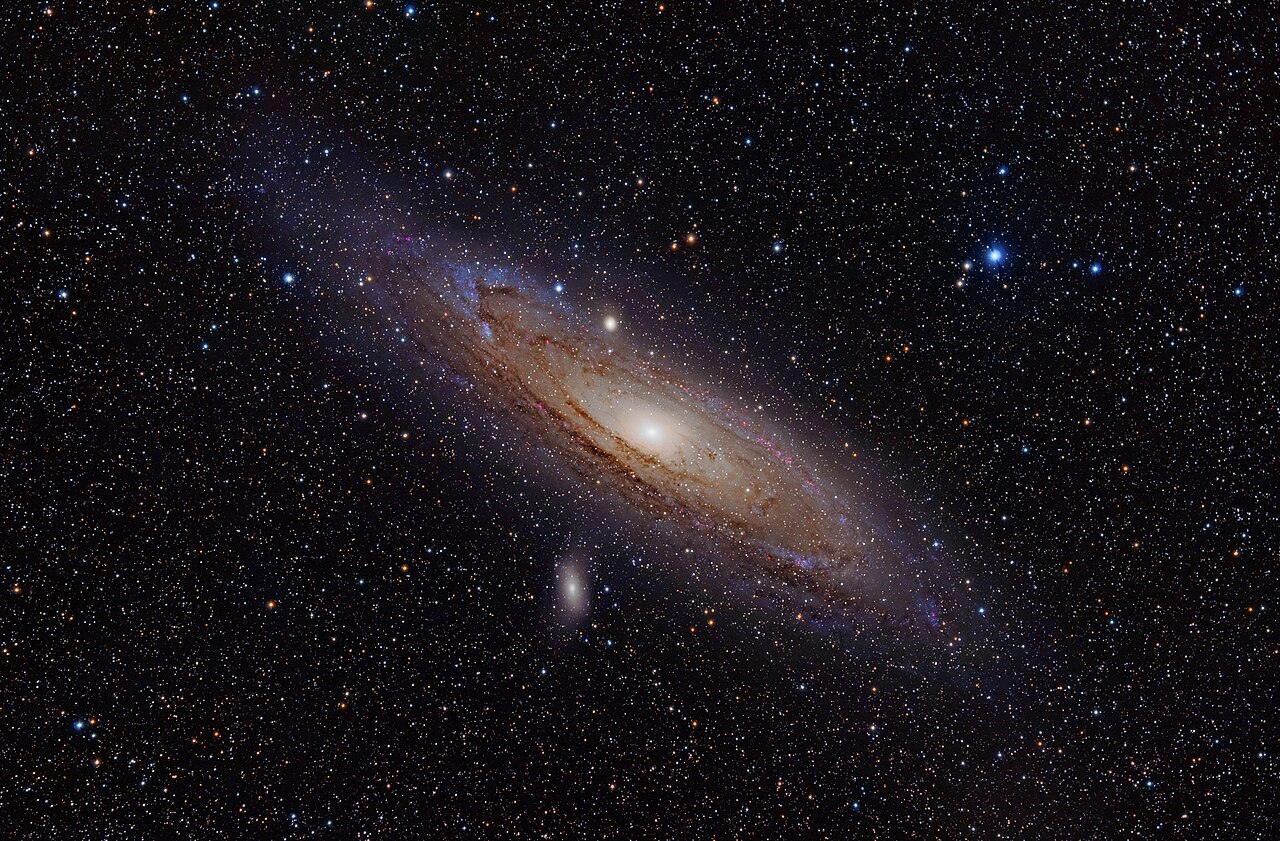
Andromeda Galaxy
The nearest major galaxy to the Milky Way and the most distant object visible to the naked eye. Andromeda contains approximately one trillion stars and is on a collision course with our galaxy.