Solar System Planets
Explore all 8 planets in our solar system. From the scorching surface of Mercury to the frozen winds of Neptune, discover what makes each world unique.
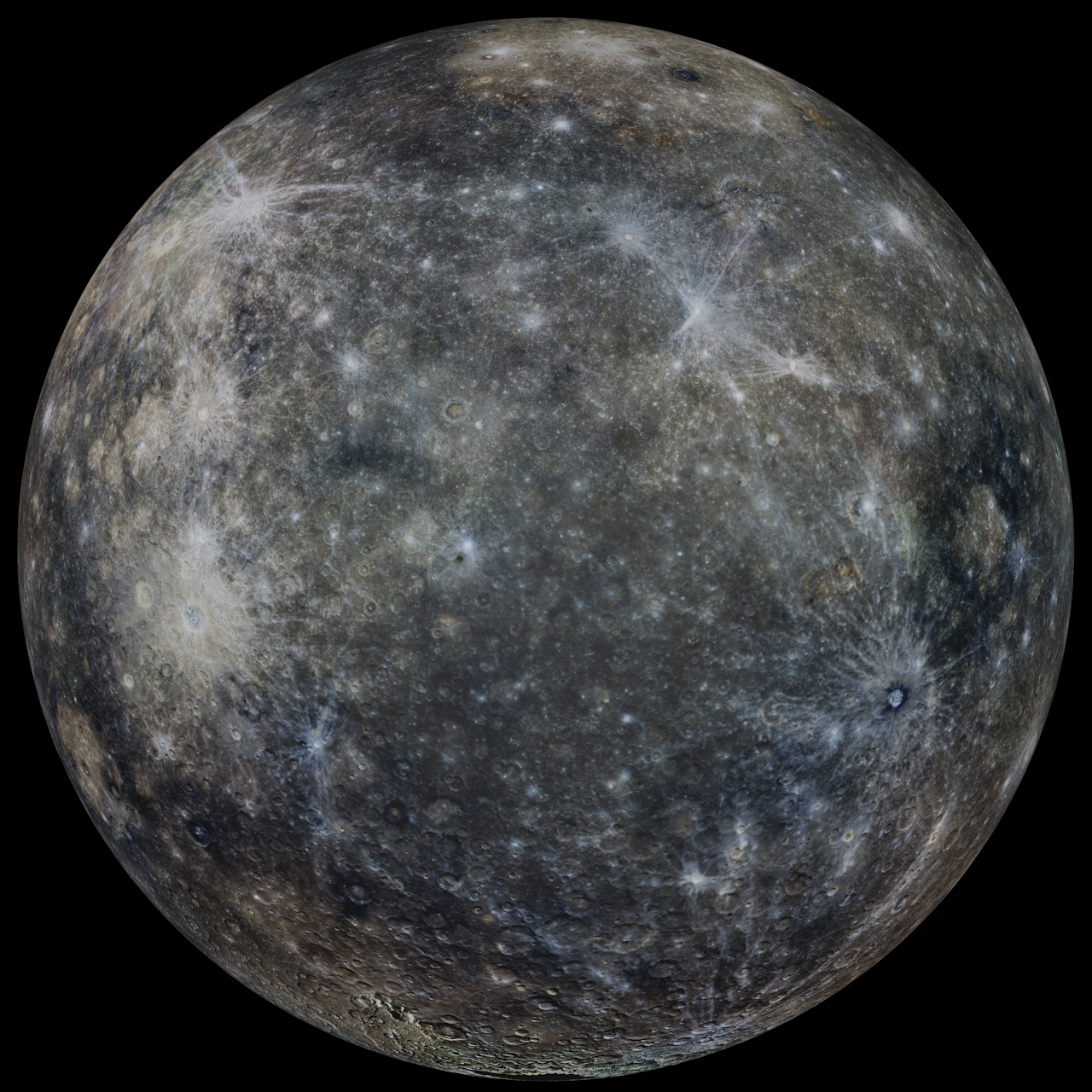
Mercury
The smallest planet in our solar system and closest to the Sun. Mercury has extreme temperature variations due to its lack of atmosphere.
Distance
0.39 AU
Moons
0
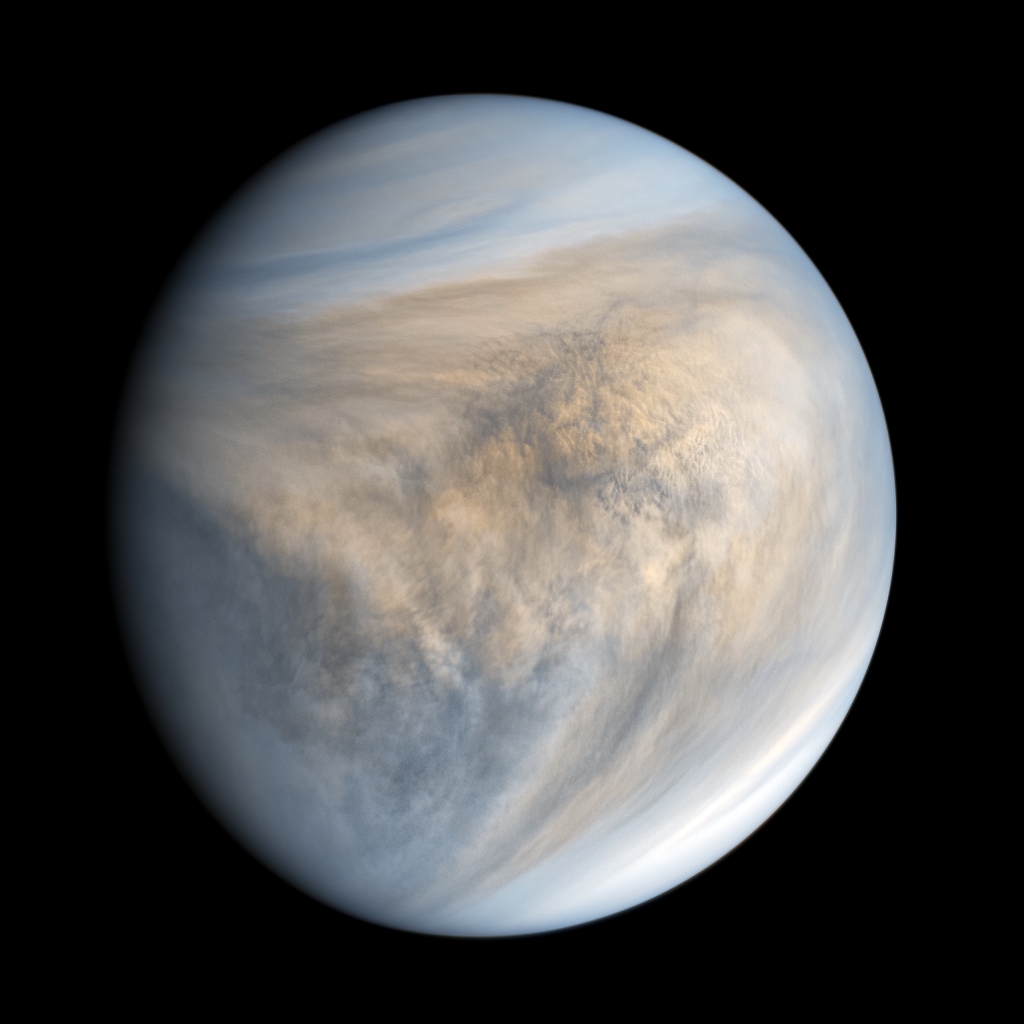
Venus
Often called Earth's twin due to similar size, Venus has a thick toxic atmosphere with extreme greenhouse effect, making it the hottest planet.
Distance
0.72 AU
Moons
0
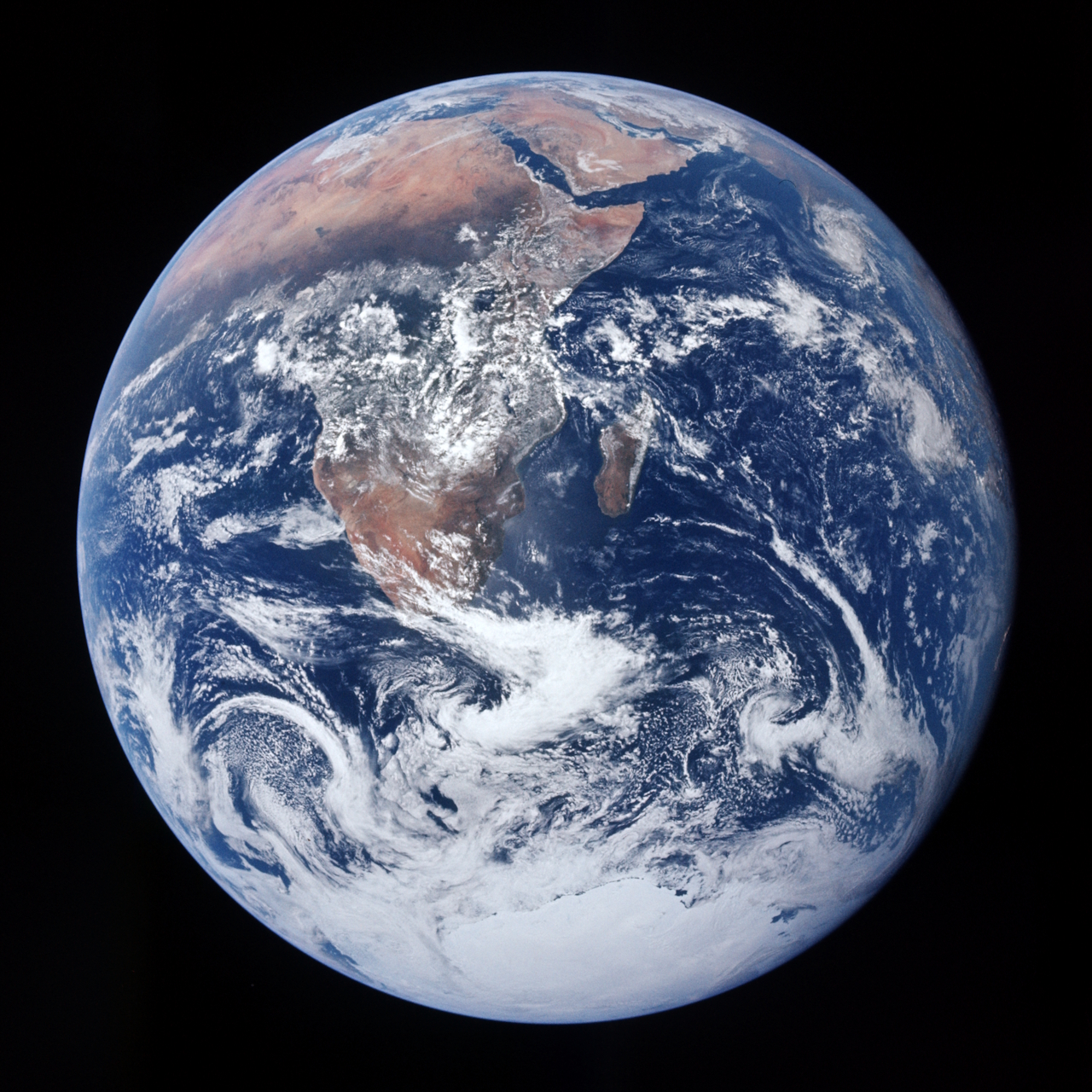
Earth
Our home planet and the only known world to harbor life. Earth has liquid water on its surface and a protective atmosphere.
Distance
1 AU
Moons
1
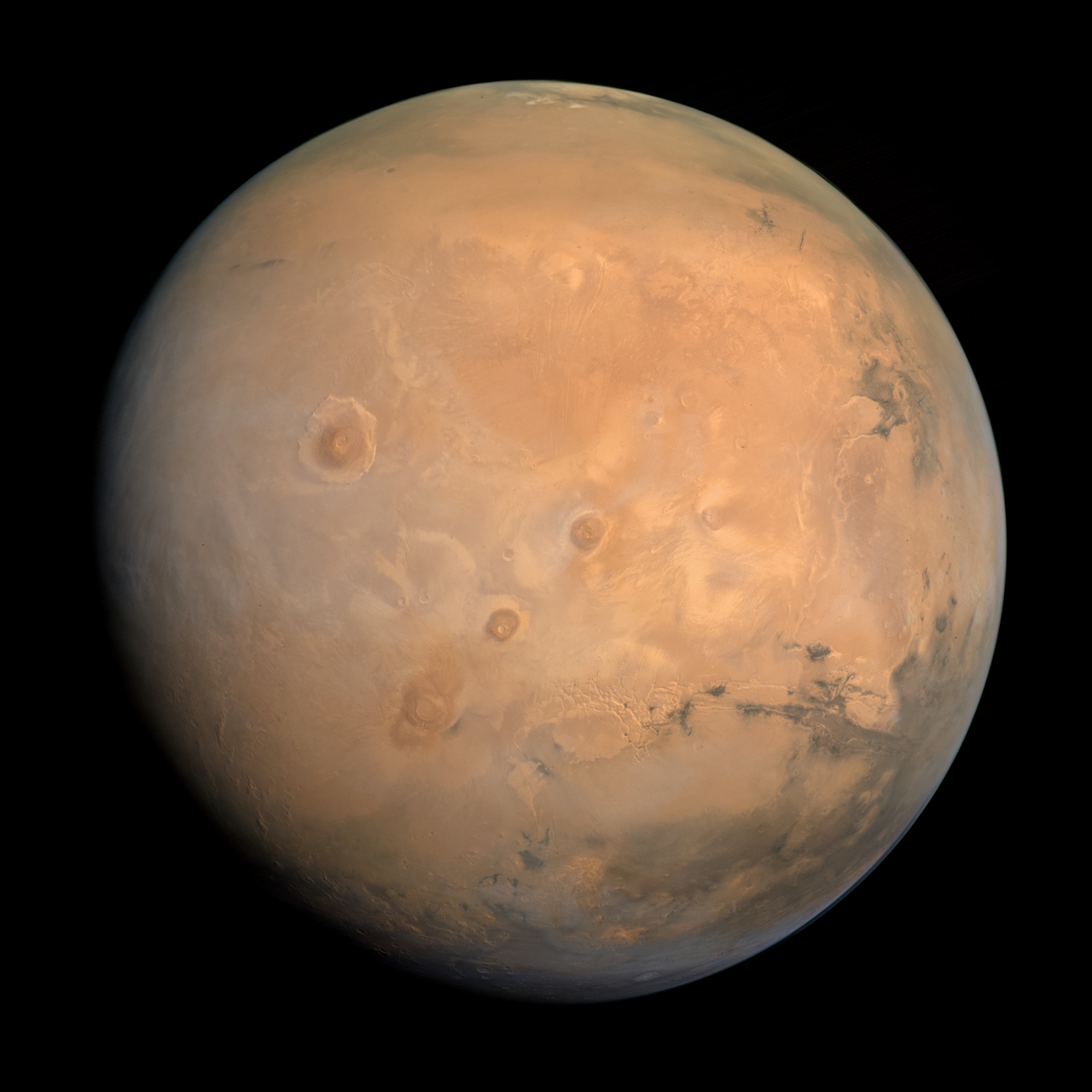
Mars
The Red Planet, named for its rusty color caused by iron oxide on its surface. Mars is the most explored planet besides Earth.
Distance
1.52 AU
Moons
2
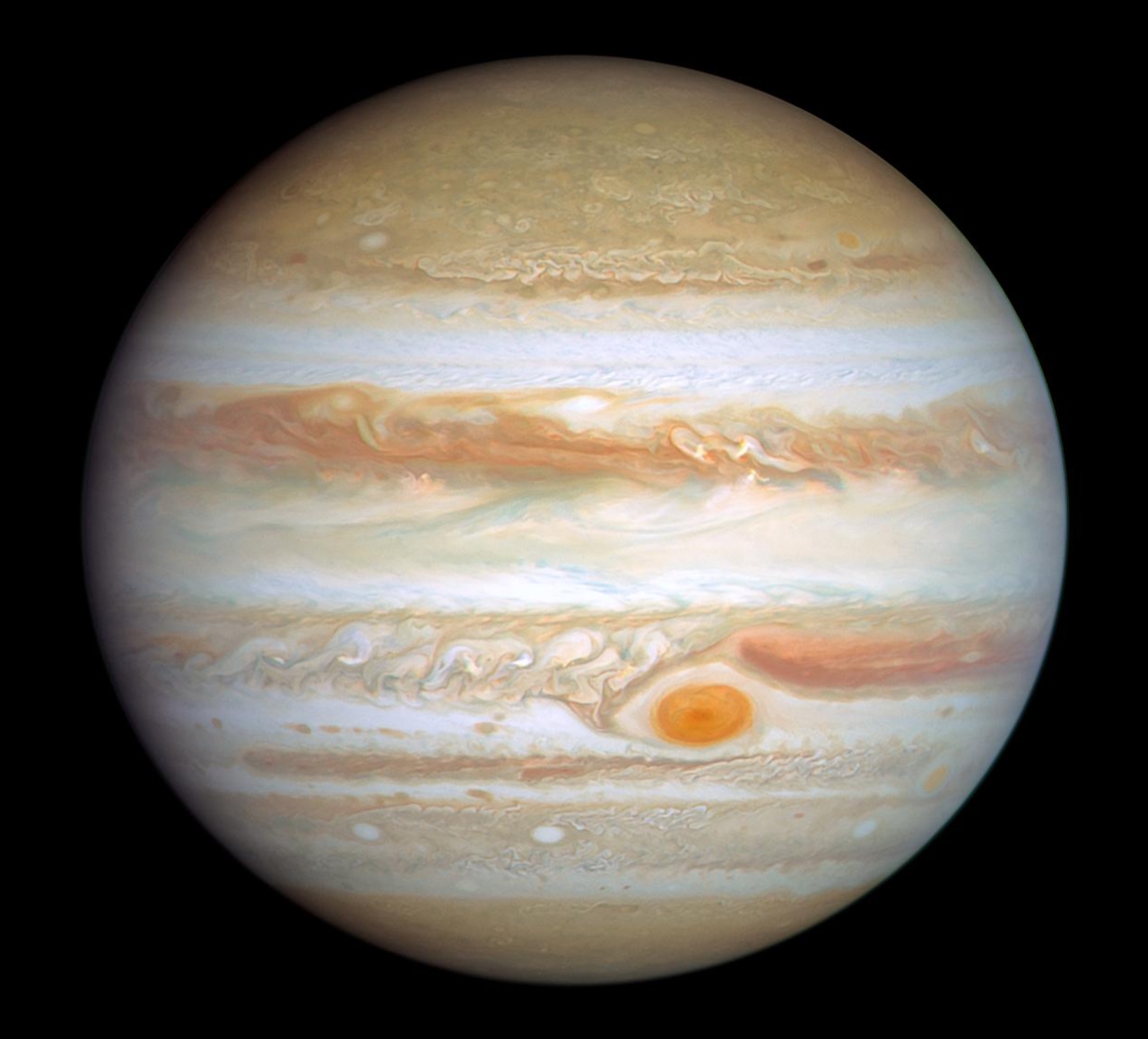
Jupiter
The largest planet in our solar system. Jupiter is a gas giant with a Great Red Spot storm that has raged for centuries.
Distance
5.2 AU
Moons
95
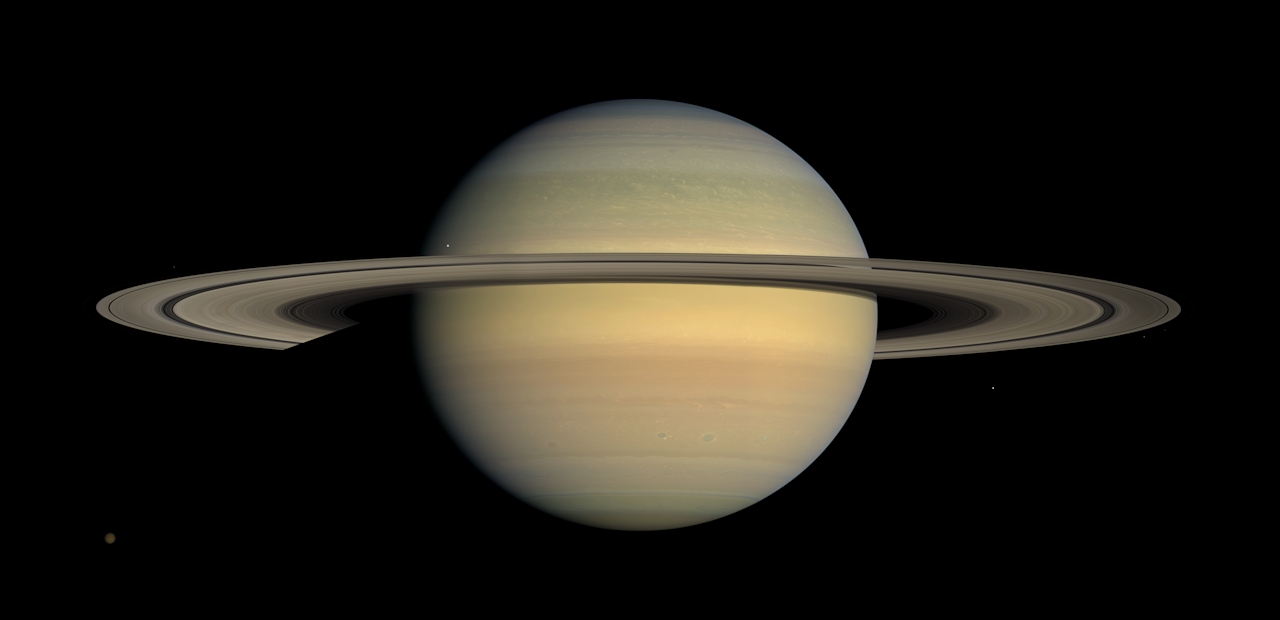
Saturn
Known for its spectacular ring system, Saturn is a gas giant with the lowest density of any planet - it would float in water.
Distance
9.58 AU
Moons
146
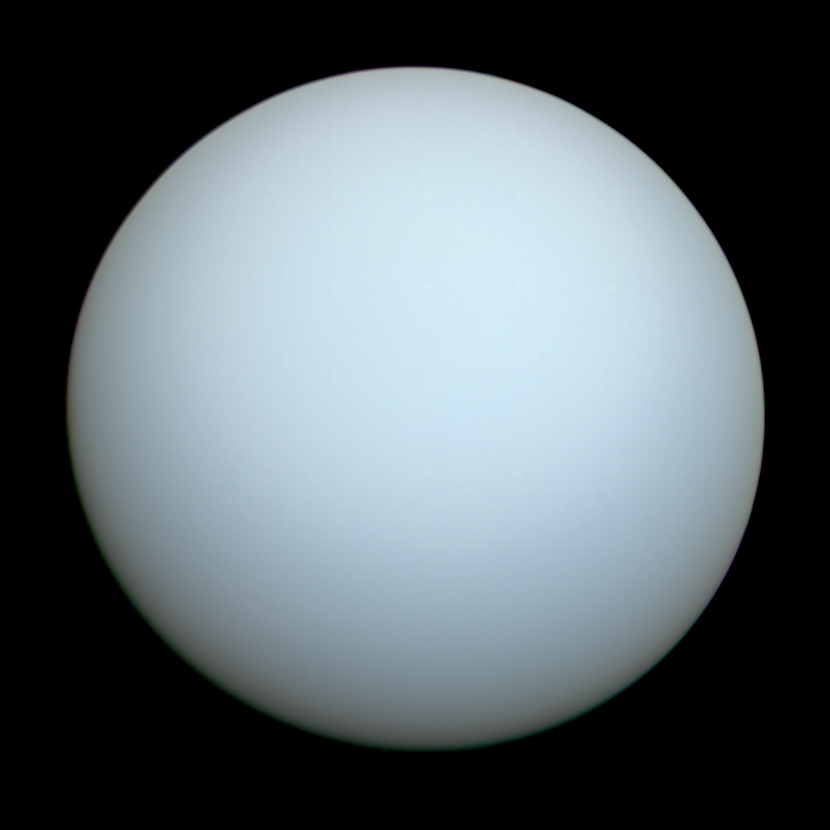
Uranus
An ice giant that rotates on its side, likely from an ancient collision. Uranus has the coldest atmosphere of any planet.
Distance
19.22 AU
Moons
28
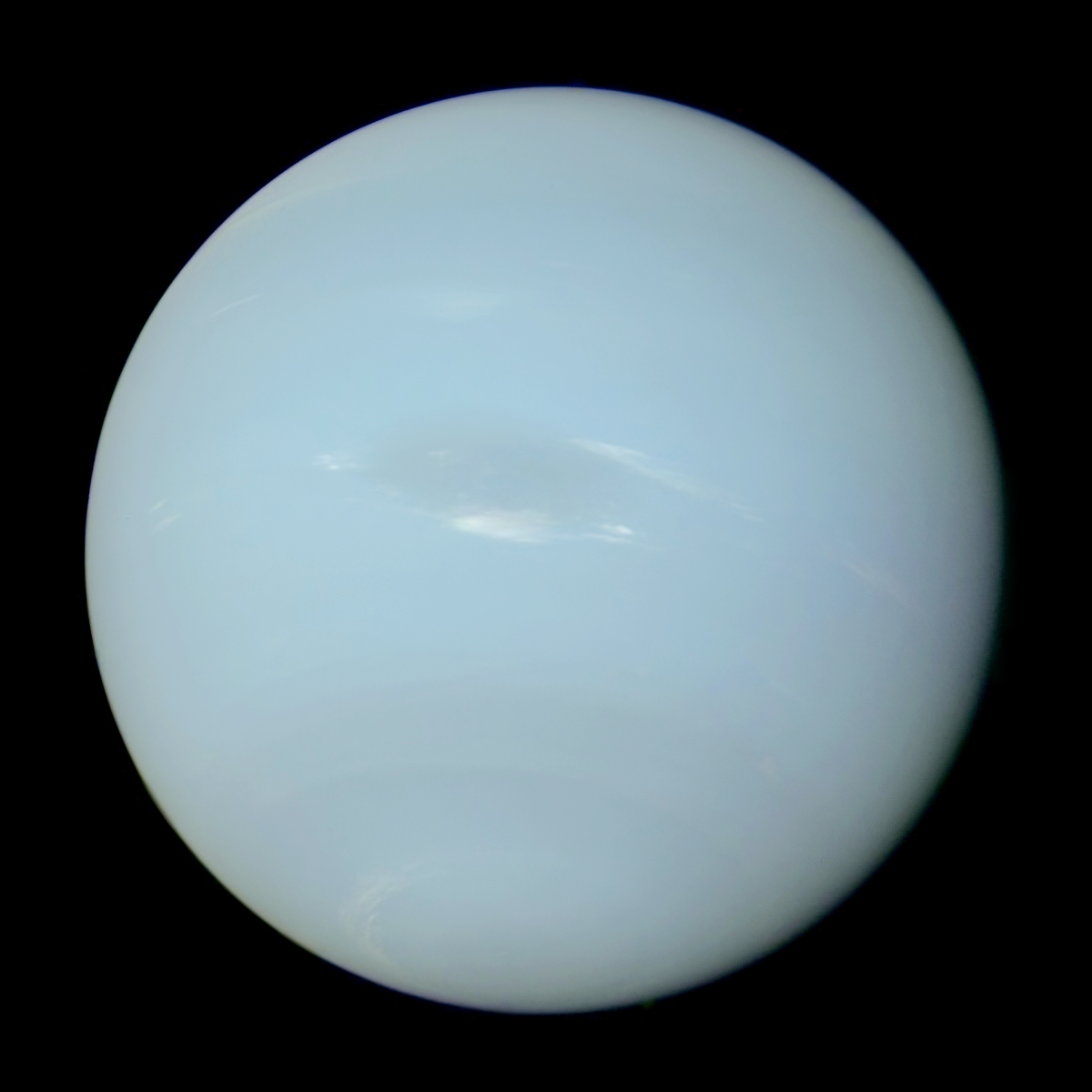
Neptune
The most distant planet from the Sun, Neptune is an ice giant with the fastest winds in the solar system, reaching 2,100 km/h.
Distance
30.05 AU
Moons
16
Solar System Facts
4.6 billion
Years old (our solar system)
99.86%
Of solar system mass is in the Sun
287+
Known moons in the solar system